Design Leader · Milan
I lead design teams that turn messy problems into products people understand.
Ten years designing digital products and, for the last stretch, leading the people who design them. I work between design, business and technology: framing the problem with stakeholders, running the research, and staying close enough to the interface that the intent survives contact with delivery.
Selected work
Case studies, end to end
12 projects
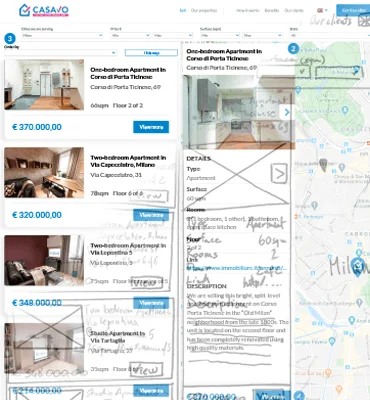
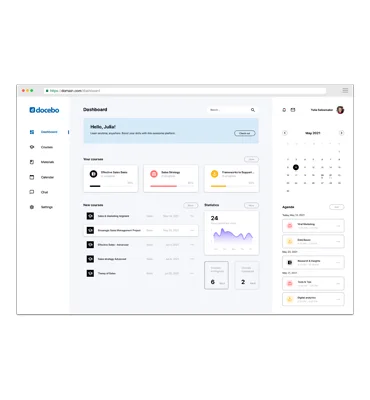
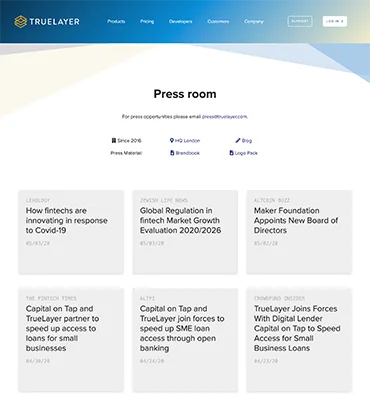
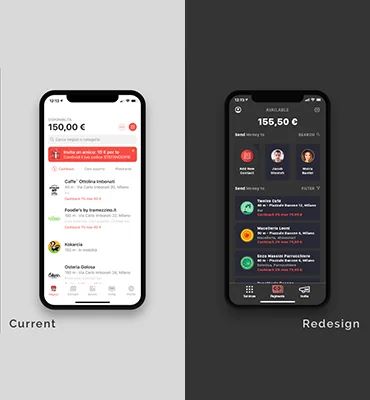
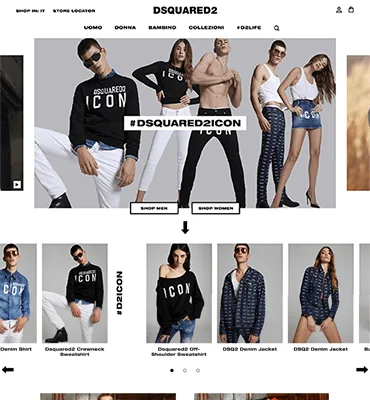
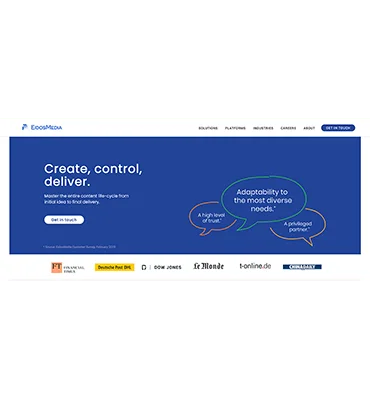
Most of what follows are business cases and project works: briefs I took on during design selection processes or set myself, run with the same method I use on client work. Each page shows the whole chain, from audit and framing through ideation, wireframe and interface, and says plainly which steps I produced and which are the method I would run with access to real users. My work at Spindox is under NDA, so it lives on its own page as a description of how I lead, not as screenshots.



How I work
Design thinking, applied honestly
Start with the audit, not the pixels
Before proposing anything I walk the existing product against Nielsen’s heuristics and against the competitive set. It is the cheapest research there is, and it turns opinion into something arguable.
Reframe the brief when the data says so
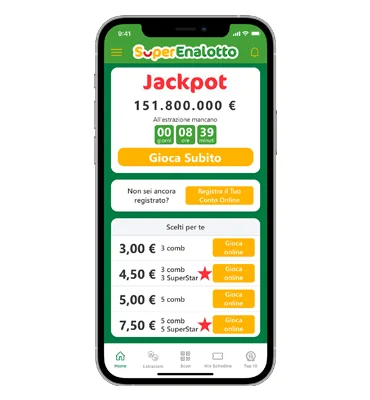
In the SuperEnalotto case the brief said “restructure the home”. The data said 70% of users only check winnings. The real job was onboarding retail players, and the layout followed from that.
Separate what I know from what I assume
Each case study marks which steps produced evidence and which are method I would run given users. Overstating research is the fastest way for a design leader to lose a team’s trust.
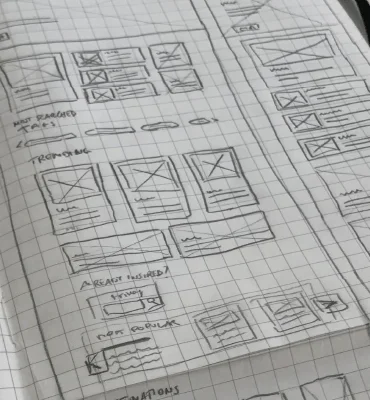
Wireframe on paper, decide in the open
Pencil first, always. Cheap artefacts invite other people to disagree early, which is exactly when disagreement is useful.